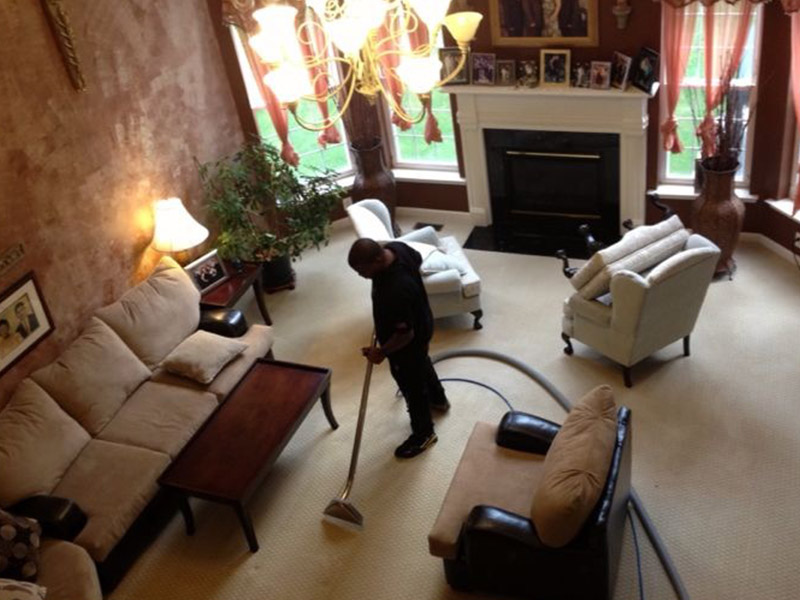




A brown mark near the sofa has been there for months. The homeowner remembers spilling coffee, but the carpet has also been treated with a store-bought stain remover. Now the spot looks darker around the edges.
Can it still be removed?
Possibly. But the answer depends on more than how old the stain is.
Some old carpet stains respond well to professional treatment. Others involve permanent dye changes, damaged fibers, or contamination that extends beneath the visible surface.
At Hippo Carpet Cleaning Miami Beach, we consider the carpet material, stain history, previous cleaning attempts, and overall condition before recommending a treatment.
Here are five factors that help determine whether old carpet stain removal is realistic.
We start by identifying what caused the stain, not simply how long it has been there.
Coffee, cooking oil, pet urine, rust, and tracked-in soil create different problems.
For example, an old coffee stain may contain color compounds and residue from milk or sugar. An oily mark near a dining table may attract additional dirt over time. Rust requires a different treatment approach from either one.
A stain's appearance does not always identify its source.
Two brown marks may look similar, yet one could be removable soil while the other involves chemical discoloration.
What we check: The likely source, the appearance of the affected area, and any information the customer can provide about the original spill.
Why it matters: Choosing a cleaner for the wrong type of stain may accomplish little or create additional damage.

One of the most important distinctions in carpet stain removal is the difference between contamination and permanent color damage.
A carpet may look stained because foreign material remains attached to its fibers. If that material can be safely loosened and removed, the appearance may improve.
But some substances change the carpet itself.
Bleach, certain household chemicals, and some prolonged spills can alter or remove dye. Sun exposure and wear can also contribute to discoloration.
Imagine a pale patch surrounded by otherwise normal carpet. If the original dye has been removed, no amount of ordinary cleaning will put that color back.
What we check: Whether the visible difference appears to come from removable residue, dye alteration, or physical damage.
Why it matters: Professional cleaning can remove suitable types of soil, but it cannot reliably reverse permanent color loss.
This is why promising complete stain removal before examining the carpet is rarely helpful.
The same old stain can respond differently depending on the carpet material.
Many synthetic carpets tolerate appropriately selected water-based cleaning methods. Other fibers, dyes, or constructions may require additional precautions.
Wool, for example, can be sensitive to unsuitable cleaning chemistry and excessive agitation. Carpet backing and construction also influence how much moisture can be safely applied and removed.
Consider an old drink stain on a durable synthetic carpet compared with a similar mark on a delicate wool carpet.
Even if both stains contain the same substance, the treatment should not automatically be identical.
What we check: Fiber type, construction, dye stability, visible wear, and the condition of the affected area.
Why it matters: The goal is to remove contamination without creating a larger problem through unsuitable chemistry, moisture, or agitation.
A stronger product is not necessarily a better product.
Previous cleaning attempts can change the treatment decision considerably.
A homeowner may have applied several products over time: a general carpet spray, dish soap, baking soda, or a rental-machine solution.
Even if the original stain remains, those treatments may leave additional residue.
For example, an old coffee mark might initially contain drink residue. After repeated DIY cleaning, the affected area may also contain detergent buildup that attracts soil.
The visible problem is now more complicated than the original spill.
The Carpet and Rug Institute's Spot Solver emphasizes testing cleaning solutions, avoiding aggressive rubbing, and removing residues that can contribute to rapid resoiling.
What we check: Which products were used, whether the stain changed after treatment, and whether the carpet shows signs of residue or damage.
Why it matters: Adding another chemical without understanding what is already present may worsen discoloration or interfere with treatment.
If you are wondering how to get old stains out of carpet, a useful first step is to stop experimenting with additional products until the material and stain history are clearer.
Not every visible stain is limited to the carpet fibers.
Liquid can sometimes move through the pile into the backing or padding. This is particularly relevant when a large spill or pet accident was not addressed promptly.
A surface spot may improve after cleaning, then appear again as moisture moves remaining material toward the surface during drying.
However, not every returning stain comes from the padding. Detergent residue, incomplete removal, and new soil attracted to a sticky area can also cause recurring discoloration.
Consider two hypothetical situations:
The second situation may require more than ordinary surface carpet spot cleaning.
What we check: The size and history of the spill, signs of recurring discoloration, odor, and whether deeper contamination is suspected.
Why it matters: Surface treatment cannot always resolve a problem that extends beneath the carpet.
When cleaning old stains, we work in controlled stages and check how the spot responds before applying more chemistry or agitation.
For compatible carpets, professional hot water extraction may help remove embedded soil and cleaning residue. Targeted pre-treatment may also be appropriate for particular spots.
Our professional carpet cleaning in Miami Beach is designed around the carpet's condition rather than a universal stain-removal formula.
We also explain realistic limitations before treatment. An old stain may become significantly less visible without disappearing completely. Permanent dye loss or damaged fibers may remain unchanged.
In Miami Beach condos and vacation rentals, stains are often found only after a guest checks out, a tenant moves, or furniture is rearranged. By then, the spill may have dried into the pile, and the person arranging service may not know what caused it.
Turnover staff or occupants may also have tried several spot products before the owner or manager sees the mark. Photos of the bottles or a short product list can help distinguish the original stain from residue left by earlier cleaning.
Before an appointment, property owners and managers should document when the stain was discovered, any odor or color change, and products already used. That reduces guesswork and helps the treatment fit both the carpet and the property's turnover schedule.
Some old spots can improve with careful household treatment, but the safest approach depends on the carpet and the substance involved.
Before attempting further cleaning:
For unknown stains, delicate fibers, recurring spots, or previous chemical treatments, professional assessment may be the better choice.
We identify the likely source, apply a compatible spot treatment, and rinse or extract the loosened residue when the carpet allows it. The exact method depends on the carpet fiber and previous treatments, while permanent dye changes or fiber damage may not be removable.
No. Professional treatment can improve many stains, but complete removal depends on the condition of the carpet and whether the original substance caused permanent damage.
Recurring discoloration can result from remaining residue, material moving toward the surface during drying, or fresh soil collecting in a sticky area. The cause should be identified before repeating treatment.
An old carpet stain is not automatically permanent, but it is not automatically removable either.
The source of the stain, condition of the carpet dyes, fiber type, previous cleaning products, and depth of contamination all affect the outcome.
For Miami Beach homeowners and property managers, understanding these five factors makes it easier to decide when professional treatment is worthwhile and what results are realistic.
The best approach to an old stain is not to keep applying stronger cleaners. It is to identify what remains in the carpet and choose a treatment that addresses the problem without damaging the material.
If you need help with a stubborn carpet stain, call Hippo Carpet Cleaning Miami Beach at 305-420-5790 to discuss professional carpet cleaning in Miami Beach.